
Pregnant in Melbourne? You Have More Birth Choices Than You Think.
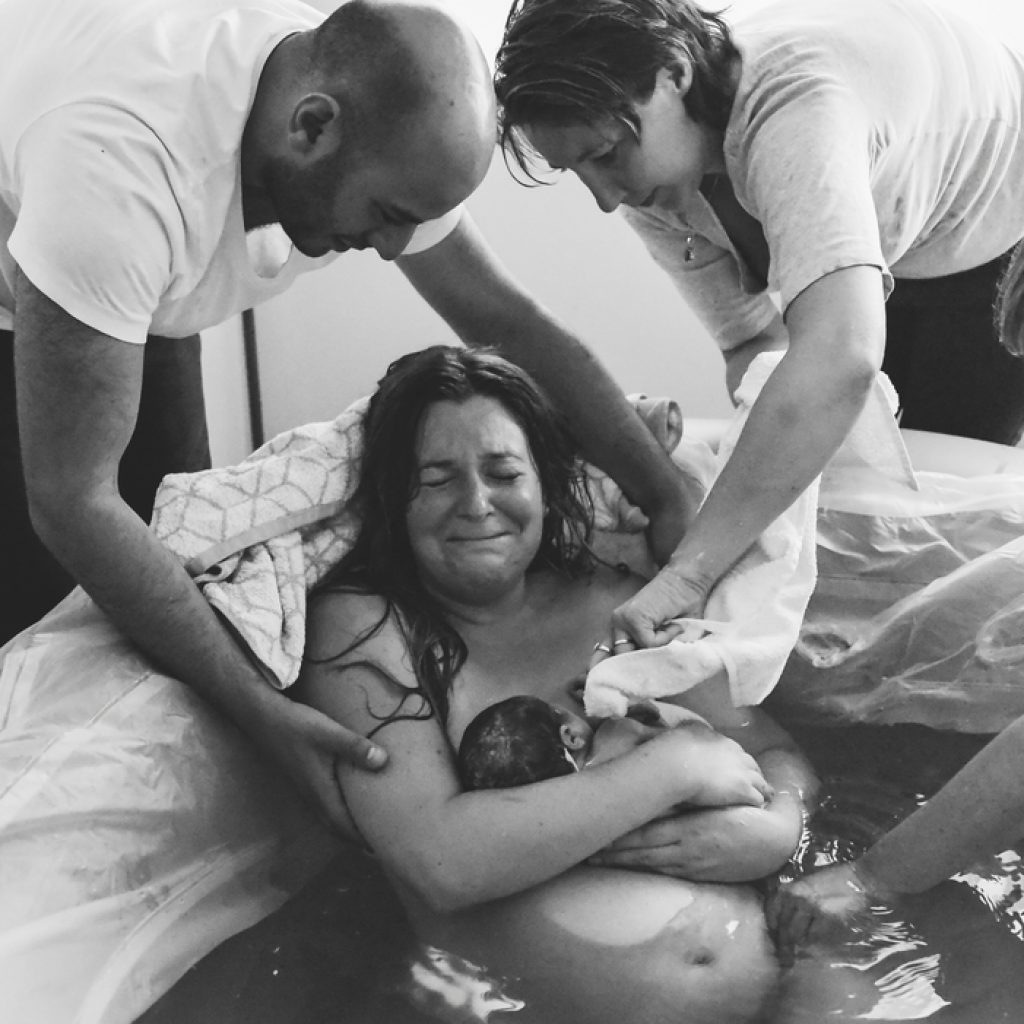
If you live in Melbourne and are thinking about becoming pregnant – or you’ve just seen those two telltale lines on the pregnancy test – one of the first big questions you’ll face is:
Where will I have my baby – and who will look after me?
Navigating the maternity care system – especially if you’re having your first baby – can feel overwhelming and confusing. Unfortunately, finding clear information about your options isn’t always easy. You’ve probably heard the old saying, “if you don’t know your options, you don’t have any.”
Most women will go to their GP to confirm their pregnancy and seek a referral pathway for their pregnancy care. In most cases, they will be asked just one very limiting question: “Do you have private health insurance with maternity cover?”
If the answer is yes, your GP will usually refer you to a private obstetrician. If the answer is no, you’ll typically be referred to your local public maternity hospital based on where you live. Many public hospitals don’t schedule a first appointment until around 18–20 weeks of pregnancy – which can feel incredibly nerve-wracking when you’re newly pregnant and full of questions.
Here’s the reassuring part: in a large city like Melbourne, you have lots of options – across public, private, and community-based models. And once you understand the landscape, you can choose a pathway that fits your values, your health needs, and your budget.
This essential guide breaks down the main maternity models of care available to women in Melbourne, what they involve, and what the evidence says about outcomes – both physical and emotional.
1) Public maternity hospital care
Standard public care
This is the default pathway when you book into a public hospital.
What it looks like
- Antenatal appointments with whoever is rostered (midwives/doctors) in the antenatal clinic
- You birth will be attended by the midwives on shift at that time
- There is obstetric and neonatal backup on site
Cost: Free (Medicare-funded)
Best for: People who want a straightforward, no-cost option with strong hospital backup.
Trade-off: Limited continuity of care (you will likely see different people at every appointment, and several different providers throughout the course of your labour and postpartum)
Midwifery Group Practice (MGP) / Caseload midwifery
Many Melbourne hospitals offer MGP (also called caseload midwifery), where you get a known midwife (plus a small backup team) across your pregnancy, birth, and postpartum.
Cost: Free
Reality check: Places are limited and book early. Some hospitals only offer the MGP program to low-risk women, and others offer an “all-risk” model. If you are keen to be cared for through a MGP program, you need to try and book in as early as possible in your pregnancy. Places are extremely limited with only about 10% of women able to access a MGP program.
Why this model matters (the evidence)
Midwife-led continuity models are associated with fewer interventions and better experiences, with comparable (and in some outcomes improved) safety measures for babies.
The Australian Institute of Health and Welfare (AIHW) also tracks continuity models nationally and reports on how widely they’re available across Australia.
2) Publicly funded homebirth programs (yes, they exist in Melbourne!)
Some Victorian public hospitals run public homebirth programs. These are structured, governed services with clear eligibility criteria and hospital transfer pathways.
What it looks like
- Screening/eligibility (usually low-risk criteria – for example, no twins, VBAC, breech babies and women need to be healthy with no major health conditions)
- Continuity of midwifery care (you will usually have a primary midwife assigned to you, and will also get to know her backup during your pregnancy)
- Two midwives attend the homebirth
- Clear transfer pathway into the hospital if needed
Cost: Free (Medicare-funded)
Tip: If homebirth is on your radar, ask early – places are limited.
Reality Check: Publicly-funded homebirth programs operate using very strict guidelines and policies – much more so than a privately practicing midwife. As a result, many women are told very late in their pregnancy, or at some point during their labour, that they need to transfer to birth in the hospital. In some cases, this can be extremely distressing and may leave a woman navigating limited options at such a late stage.
3) GP shared care (public birth, GP-led appointments)
A hybrid public model.
What it looks like
- Most pregnancy appointments with your GP
- Hospital visits at key milestones
- Birth in a public hospital with hospital staff
Cost: Usually low (depends on whether your GP bulk-bills)
Best for: People who love their GP and want fewer hospital visits.
Trade-off: Your GP generally does not attend your birth; continuity at the birth is limited.
4) Privately practising endorsed midwife (homebirth or hospital-based care)
This option has expanded in recent years thanks to changes to access, funding pathways, and indemnity arrangements for eligible services.
What it looks like
- One primary midwife (plus their backup) through pregnancy, birth, and postpartum
- Can be for homebirth; in some settings may support hospital-based care in collaboration
Cost: Private fees apply (often partially offset by Medicare rebates for eligible services)
Best for: People who want strong continuity and longer, relationship-based appointments.
Tip: Strong international evidence shows that midwifery continuity of care – including private midwifery care whether at home or in hospital – is associated with better outcomes for both mothers and babies, including fewer interventions, higher rates of spontaneous vaginal birth, improved maternal wellbeing, and equally safe or improved neonatal outcomes compared with fragmented models of care.
5) Private obstetrician as a private patient in a public hospital
Some obstetricians have admitting rights at public hospitals.
What it looks like
- Pregnancy care with your chosen OB
- Birth in a public hospital (as a private patient)
Cost: OB management fee + possible gaps
Best for: People who want a specific obstetrician and public hospital facilities.
6) Private obstetrician in a private hospital
The traditional “fully private” pathway.
What it looks like
- Pregnancy care with your chosen OB
- Birth in a private hospital
Cost: Private health insurance + OB management fees + possible anaesthetist/paediatric gaps
Best for: People who value private facilities and doctor-led continuity.
7) “OB + in-house midwife” private packages (often more affordable)
Many private OB practices now offer a blended model:
- Most appointments with the practice midwife
- OB visits at key milestones
- OB attends the birth
Why some families like it: It can be a more cost-contained way to access private obstetric care while still getting more midwife time.
8) You can add a doula to any model!
No matter which pathway you choose, you can also choose continuous labour support from a doula.
The Cochrane evidence on continuous support in labour shows improved outcomes including higher likelihood of spontaneous vaginal birth, lower caesarean and instrumental birth rates, and higher satisfaction.
Culturally safe maternity care for First Nations families
Victoria has a statewide Koori Maternity Services (KMS) program supporting culturally safe, flexible maternity care for Aboriginal and Torres Strait Islander women (and non-Indigenous women carrying an Aboriginal and/or Torres Strait Islander baby).
Some examples of maternity care programs for First Nations families include;
- The Royal Women’s Hospital – Baggarrook
- Mercy Hospital for Women – Nangnak Baban Murrup clinic
- Mercy – Nangnak Wan Myeek Program
If you’re First Nations (or carrying a First Nations baby), it’s absolutely appropriate to ask at booking:
- “Do you have a Koori maternity program or Aboriginal liaison support?”
- “Can I be linked with continuity of midwifery care?”
LGBTQIA+ pregnancy, birth and early parenting support
A key point here: you’re not “stuck” with generic care. In Melbourne there are specific Rainbow/LGBTQIA+ focused education and support options you can choose alongside any hospital or provider.
- The Royal Women’s Hospital runs specific LGBTQIA+ & Rainbow childbirth education programs.
- Victorian Pride Centre – “Rainbow Kin” (childbirth & early parenting education designed for LGBTQIA+/Rainbow families).
- Rainbow Families (Victoria) runs LGBTQ+ antenatal classes and resources.
Tip: When booking into any service, it’s reasonable to ask for:
- inclusive language on forms,
- acknowledgement of non-birth parents,
- correct pronouns and titles,
- support for trans and gender-diverse parents.
The bottom line.
The most important thing to remember is this: there is no single “right” way to have a baby, but there is a right model of care for you. Melbourne offers an extraordinary range of maternity care options – far more than many people realise – and the choices you make early in pregnancy can profoundly shape both your experience and your outcomes.
Research consistently shows that when women feel informed, supported, and cared for by providers they know and trust, birth is safer, more satisfying, and often less interventionist.
Whether you choose public or private care, midwife-led or obstetric care, hospital or home, you deserve respectful, evidence-based support and genuine continuity wherever possible. Pregnancy is not simply a medical event; it is a major life transition. Understanding your options is the first step toward entering birth feeling confident, prepared, and truly supported.
Tanya Cawthorne is a Melbourne-based childbirth educator, birth doula, and women’s health practitioner with over 15 years’ experience supporting families through pregnancy, birth, and early parenthood. She holds a Master’s degree in Women’s and Children’s Health and is a Lamaze Certified Childbirth Educator and former President of Lamaze International. As the founder of Birthwell Birthright and the co-founder of Lamaze Australia, Tanya trains childbirth educators across Australia and internationally and is passionate about improving access to respectful, evidence-based maternity care and helping women make informed, confident choices about their pregnancy and birth. Last but definitely not least, she is the proud mama of two teenagers.
Comments